
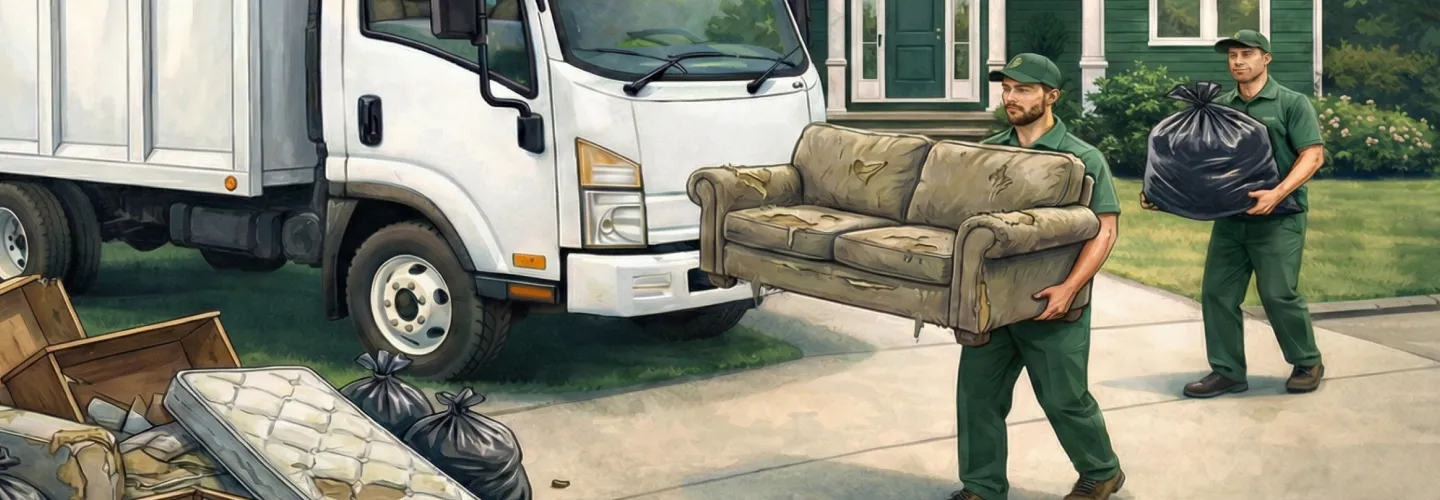
Buford Shed Removal Services
Choose us for your shed removal needs and enjoy a stress-free experience—our team handles everything from dismantling to cleanup, ensuring your property is left spotless and ready for your next project.
Get a Free QuoteOur Buford Junk Removal Services
Shed Removal in Buford, GA – Local Service Guide
Shed removal in Buford, GA is a common need for homeowners updating their properties in neighborhoods like Hamilton Mill and Old Town Buford. Whether you’re replacing an aging structure, making space for a new project, or clearing storm-damaged sheds, local residents often schedule removals during spring cleanouts or after major weather events. Many opt to recycle metal components or donate usable materials, but larger or dilapidated sheds typically require full disposal. Access can be a challenge in tight backyards or properties with mature trees, and weather conditions—especially summer storms—can impact scheduling. For residential projects, it’s important to check local regulations and coordinate with professionals who understand Buford’s unique property layouts and seasonal patterns. For more information on local rules and permits, visit the Buford Planning & Zoning Applications, Forms & Regulations page.
Benefits of Shed Removal in Buford
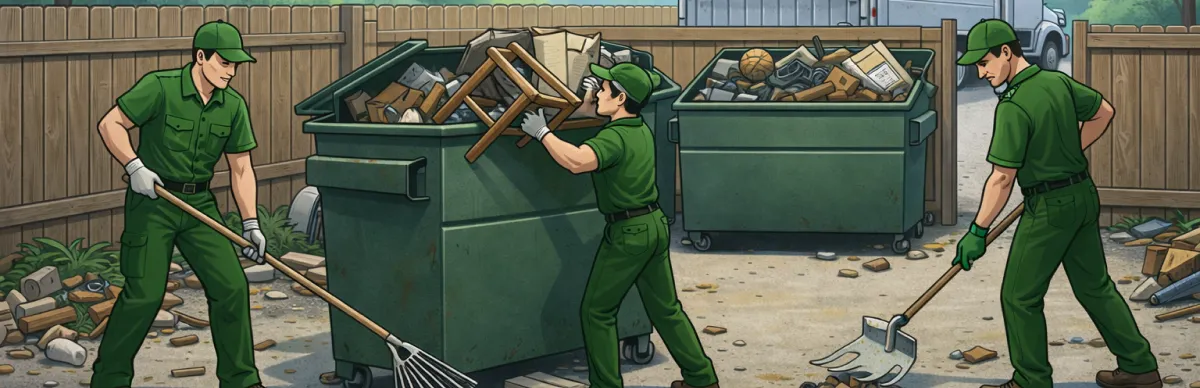
Fast Shed Removal Services
Eco-Friendly Disposal Solutions
Experienced Shed Removal Team
Affordable Shed Removal Pricing
Safe and Hassle-Free Process
Flexible Scheduling Options
Coordinating Shed Demolition Permits with Buford's Planning and Zoning Department
Shed removal in Buford, GA, typically requires coordination with the city's planning and zoning authorities before any demolition or dismantling work begins. Depending on the shed's size, construction type, and location on the property, a demolition permit may be necessary. Residents should verify whether their shed falls under structures regulated by Buford's municipal code ordinances before proceeding with removal. Key considerations include:
- Permit requirements: Sheds exceeding a certain square footage or those with electrical, plumbing, or concrete foundation connections generally require a demolition permit through the city
- Setback and zoning verification: Confirm the shed's placement relative to property lines and easements before removal equipment is staged
- Tree protection compliance: The Buford Tree Protection Ordinance may restrict heavy equipment access near protected trees on the property
- HOA notification: Many Buford subdivisions require advance written approval from the homeowners association before exterior structure removal
- Utility disconnection: Any electrical wiring, water lines, or gas connections must be professionally disconnected prior to demolition
Buford Planning & Zoning Department
2300 Buford Highway, Buford, GA 30518
Phone: (770) 945-6761
Official Website: Buford Planning & Zoning Department
Sorting and Separating Shed Demolition Materials for Proper Disposal in Buford
Shed removal generates a variety of debris types that must be sorted and handled according to Georgia waste management regulations. Most residential sheds contain wood framing, roofing shingles, metal hardware, vinyl or wood siding, and potentially hazardous materials such as lead-based paint or asbestos-containing components in older structures. The Georgia Environmental Protection Division (GA EPD) oversees solid waste management standards that apply to construction and demolition debris generated during shed teardowns. Proper material separation includes:
- Untreated wood: Dimensional lumber, plywood, and OSB may be accepted at construction and demolition debris recycling facilities for grinding and repurposing
- Pressure-treated lumber: Must be disposed of separately due to chemical preservatives (CCA, ACQ); prohibited from burning and typically requires landfill disposal at licensed C&D facilities
- Metal components: Hinges, screws, roofing nails, metal roofing panels, and steel brackets should be separated for scrap metal recycling
- Asphalt shingles: Many Georgia recycling facilities accept shingles for processing into road base material
- Concrete and masonry: Foundation slabs, pavers, and cinder blocks can often be recycled at aggregate processing facilities
- Hazardous materials: Paints, stains, solvents, and pesticides stored in the shed must be handled as household hazardous waste and cannot enter the regular waste stream
Residents should never burn shed demolition debris, as open burning of construction materials violates Georgia air quality regulations and local fire codes.
Georgia's Solid Waste Management Act and Shed Debris Disposal Requirements
Georgia's Solid Waste Management Act (O.C.G.A. § 12-8-20 et seq.) establishes the regulatory framework governing how construction and demolition debris from shed removal must be handled statewide. This legislation requires that all solid waste, including demolition materials, be transported to permitted facilities and prohibits illegal dumping on private or public property. Buford residents and contractors must comply with several state-level requirements when disposing of shed debris:
- Licensed haulers: Commercial entities transporting demolition debris must hold appropriate solid waste handling permits issued by GA EPD
- Permitted disposal facilities: Shed materials must be delivered to facilities holding valid Georgia solid waste handling permits, including licensed C&D landfills or recycling operations
- Illegal dumping penalties: Disposing of shed debris in unauthorized locations carries fines ranging from $1,000 to $50,000 per violation under Georgia law
- Manifest and documentation: Large-volume shed removal projects may require waste tracking documentation to verify proper disposal at licensed facilities
- Asbestos notification: Sheds built before 1980 may contain asbestos in roofing, siding, or insulation materials; Georgia requires a 10-day advance notification to GA EPD before disturbing asbestos-containing materials
Georgia Environmental Protection Division
2 Martin Luther King Jr. Drive SE, Suite 1456, Atlanta, GA 30334
Phone: (404) 656-4713
Official Website: Georgia Environmental Protection Division
Buford Code Enforcement and Property Safety Standards for Shed Removal Projects
The Buford Department of Public Safety oversees code enforcement activities that directly affect shed removal projects within city limits. Property owners must ensure that demolition activities comply with local noise ordinances, debris containment requirements, and site safety standards. Failure to properly manage a shed removal project can result in code violations and municipal fines. Important compliance considerations include:
- Noise restrictions: Demolition work should be conducted during permitted hours, typically between 7:00 AM and 9:00 PM on weekdays; verify current noise ordinance provisions through Buford Code Ordinances
- Debris containment: All demolition materials must be contained on the property and not allowed to scatter onto neighboring lots, sidewalks, or public rights-of-way
- Site restoration: After shed removal, the property must be graded, cleared of all debris, and restored to prevent erosion, standing water, or pest harborage
- Stormwater protection: Exposed soil from foundation removal must be stabilized to prevent sediment runoff into Buford's stormwater drainage system
- Right-of-way clearance: Removal trucks and equipment staged on public streets require coordination with the Buford Street Department to avoid obstructing traffic or damaging municipal infrastructure
Buford Department of Public Safety
2300 Buford Highway, Buford, GA 30518
Phone: (770) 945-6761
Official Website: Buford Department of Public Safety
Lead Paint and Asbestos Safety Protocols for Older Shed Demolition in Buford
Many sheds in Buford's established neighborhoods were constructed before 1978, when lead-based paint was commonly used, or before 1980, when asbestos-containing materials were prevalent in roofing, siding, and insulation products. Federal and state regulations impose strict handling requirements when demolishing structures that may contain these hazardous materials. The EPA Renovation, Repair, and Painting Rule and Georgia asbestos regulations require specific precautions:
- Lead paint assessment: Sheds built before 1978 should be tested for lead-based paint before demolition; certified lead inspectors can perform XRF testing or paint chip analysis
- Lead-safe work practices: If lead paint is present, EPA RRP Rule requires certified renovators to use containment, wet methods, and HEPA vacuuming during demolition
- Asbestos survey: Pre-1980 sheds with cement board siding, roof shingles, or pipe insulation may contain asbestos; a Georgia-accredited inspector must conduct a survey before demolition
- Asbestos abatement: Friable asbestos materials require removal by a licensed abatement contractor with proper containment and air monitoring
- Disposal requirements: Lead-contaminated debris and asbestos waste must be transported to specially permitted landfills; standard C&D facilities typically cannot accept these materials
- Worker protection: OSHA standards (29 CFR 1926.62 for lead, 29 CFR 1926.1101 for asbestos) mandate respiratory protection, personal protective equipment, and exposure monitoring for workers handling these materials
Contact Gwinnett County Fire & Emergency Services for guidance on hazardous materials response and proper handling protocols in the Buford area.
What Neighborhoods Do We Serve Throughout Buford, GA?
- Historic Downtown Buford: Older properties near Main Street often feature aging sheds with potential lead paint or asbestos concerns. Narrow lot configurations and alley access may limit heavy equipment staging, requiring careful planning for debris removal and truck positioning.
- Hamilton Mill: This large master-planned community features single-family homes with backyard sheds on standard suburban lots. HOA approval is typically required before shed demolition, and community covenants may restrict work hours and debris staging on driveways.
- Ivy Creek: Newer construction with well-maintained properties and wide residential streets that accommodate removal equipment. Shed foundations in this area are commonly concrete slab, requiring additional demolition effort and separate disposal of masonry materials.
- Buford City Schools District Area: Established residential neighborhoods with mature tree canopy that may restrict equipment access. Properties near schools require heightened safety awareness and scheduling outside of school arrival and dismissal hours.
- Lake Lanier Corridor: Properties near the lake are subject to additional environmental protections regarding stormwater runoff and sediment control during shed demolition. Sloped lots and wooded terrain may complicate equipment access and debris hauling.
- Shadburn Ferry / South Buford: A mix of older ranch-style homes and newer infill development with varying lot sizes. Older sheds in this area frequently contain pressure-treated lumber and deteriorated roofing materials requiring careful sorting before disposal.